


Is Cycling Good for Knee Pain? Safe Riding Tips
Updated: Author: ErpanOmer
Yes, you can still ride a bike with knee pain as long as your doctor gives you the okay and you set the bike up right. In fact, cycling tailored to your body is one of the most effective low-impact exercises for strengthening your joints and taking the edge off chronic discomfort.
Here's what we'll walk through: the real benefits of cycling for joint rehab, the bike fit mistakes that can actually make your pain worse, and a straight-up comparison between traditional bikes and e-bikes to help you figure out which one fits your situation. We'll also cover some practical, proven tips—like how to set your saddle and manage your pedal speed.
What are the Key Benefits of Cycling with Knee Pain?
Afraid biking will hurt your knees? Don't be. Running and jumping? That's hard on you. Cycling is smooth. It helps your joints instead of wearing them out. Here's how biking can actually make your knees feel better.
Reduces Joint Stress
When you walk or run on pavement, your knees take a hit with every step—force several times your body weight. Cycling doesn't have that. Your weight spreads out across the saddle, handlebars, and pedals. Your knees just move smooth. The cartilage gets a break.
Strengthens Knee Support Muscles
Your knees rely heavily on the surrounding muscles for support, especially the quads, hamstrings, and calves. Pedaling works all of them. Easy and steady. Builds support right where you need it. Get those muscles strong, and it's like you're wearing a brace from the inside. Stronger leg muscles help stabilize the knee joint and reduce unnecessary movement around the kneecap, which can make riding feel smoother and more comfortable. The Arthritis Foundation also notes that cycling is a low-impact exercise that can strengthen muscles supporting the knees, ankles, and feet.
Improves Mobility and Flexibility
That smooth pedaling motion gets fluid moving in your knee. Morning stiffness goes down. You move easier. Stick with it, and your knee stays loose. Less grinding. Less of that deep ache when you try to do something simple.
Helps You Stay Active Over Time
Sticking with it is what really matters for your joints. But pain has a way of killing good intentions. Cycling is different—it's easy to adjust and comfortable to do, so you don't end up sore afterward. For riders who worry about handling extra bike weight, a step through bike can make that routine easier to keep up with. That means you can actually keep doing it for years. And staying active keeps your muscles from wasting away and helps you manage your weight. Both of those take a lot of long-term pressure off your knees and hips.
Cycling is different—it's easy to adjust and comfortable to do, so you don't end up sore afterward. For riders who worry about handling extra bike weight, a ebike can make that routine easier to keep up with. That means you can actually keep doing it for years.
Can Cycling Make Knee Pain Worse?
But cycling's not magic. Get it wrong or push too hard, and you'll do damage instead of good. Saddle too low or too far forward? Your knee jams up at an angle every time you pedal. That loads up your kneecap and tendon. Now you're just wearing stuff out.
Another one? Going too hard too soon. Heavy gears. Slow grinding. Steep hills before you're ready. Ignoring that ache. That's tendinitis waiting to happen. So fix the fit. Spin light. And listen when your body tells you something.
Electric Bike vs Regular Bike for Knee Pain
Picking an e-bike or a regular bike actually matters for knee rehab. Depends how much it hurts, what you're trying to do, and how hard you want to push.
Electric Bike vs Regular Bike Comparison
| Comparison Aspect | Regular Bicycle | Electric Bike (E-Bike) |
|---|---|---|
| Pedal Effort | Requires 100% manual muscular force at all times. | Provides adjustable motorized assistance to cut down muscle strain. |
| Workout Intensity | Varies with terrain; can easily become excessively intense on inclines. | Highly customizable; allows you to balance aerobic exercise with ease. |
| Joint Stress | Can spike drastically during hard starts or steep uphill climbs. | Stays consistently low since the motor absorbs sudden peak loads. |
| Ease of Riding | Highly dependent on rider strength, wind speed, and route topography. | Effortless to launch from a stop and cruise smoothly through any terrain. |
Pedal Assist and Knee Pressure
The big selling point of an e-bike is the pedal-assist system. It's basically like having a steady tailwind that's always got your back—and your knees. When you're taking off from a stop or grinding up a steep hill, the motor jumps in and does the heavy work. That keeps your effort nice and even. You don't get those sharp spikes in joint pressure that usually make your knees flare up.
Workout Control and Easy Riding
E-bikes don't take away the health benefits of riding. They just put you in control. On a good day when your knees feel fine, you can turn the assist way down, get your heart rate up, and really work your legs. But if your knee starts to ache halfway through your ride? Just dial the assist up and coast on home. No need to push through the pain or overdo it.
Who Should Choose an Electric Bike for Knee-Friendly Riding?
An e-bike makes a lot of sense if you want to stay active outside but need a safety net for your knees or the terrain. That goes for commuters, older riders, and anyone coming back from a knee injury who doesn't want to worry about getting stuck miles from home.
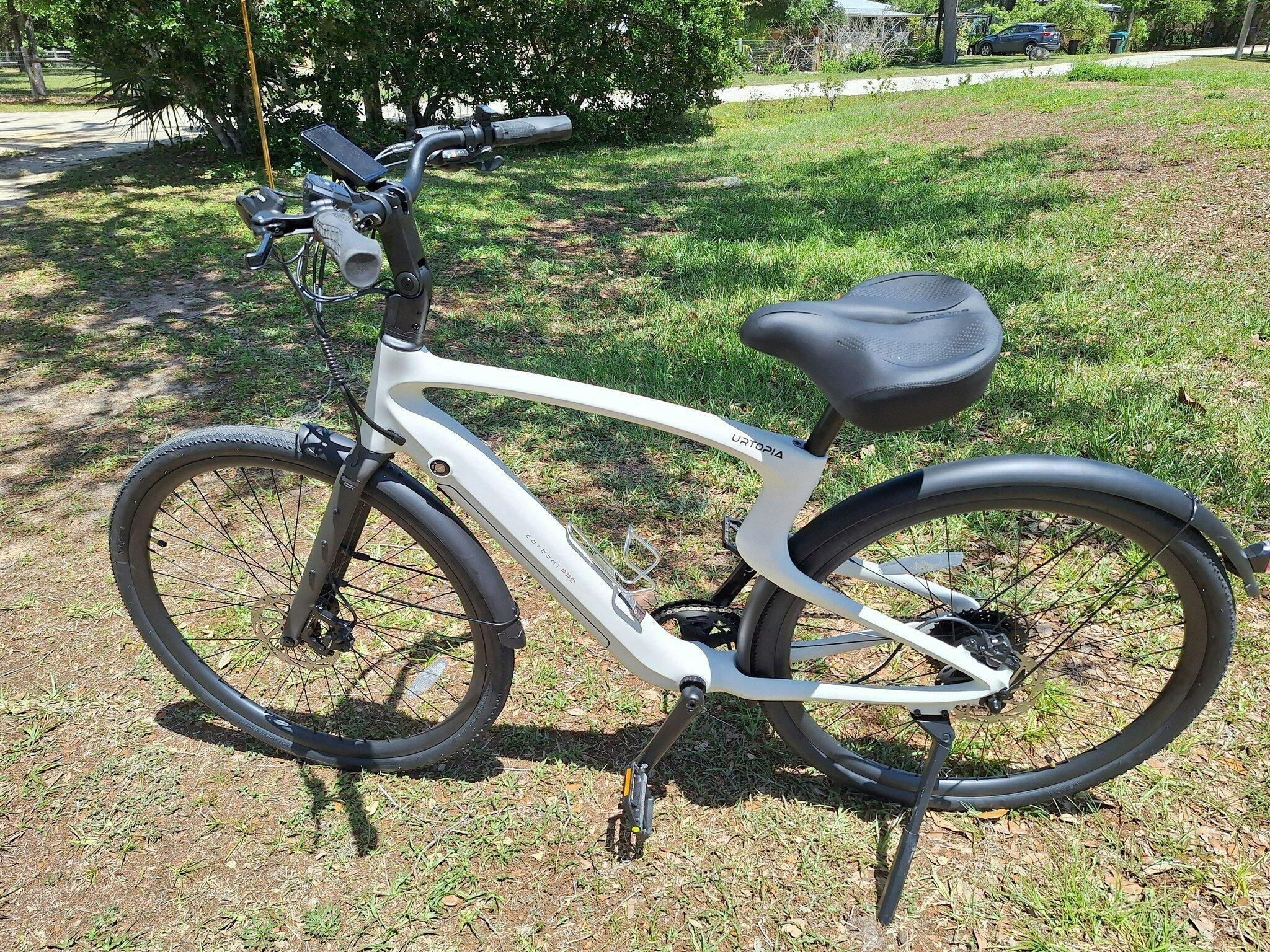
If you're dealing with ongoing knee pain, adjustable assist takes a lot of the hassle out of daily riding. Take the Carbon 1 Pro E-Bike. Its 37 lbs carbon frame keeps the bike light, so you're not wrestling with a heavy ride. On days your knees feel good, turn the assist down and actually work. Halfway through and your knee starts to twinge? Or see a steep hill coming up? Just bump the assist up. The torque sensor helps the motor respond more naturally to your pedaling, and the up to 80-mile range gives you more backup for longer rides. The motor steps in and takes the load off your joints. That kind of on-the-fly control is hard to beat.
How to Ride Safely with Knee Pain?
Want to ride without wrecking your knees? Three things: prep right, ride right, and set your bike up right. If this feels like first-time e-bike riding all over again, start slow and focus on control before distance. Change your technique a little, and you'll still get a good workout without your knees throwing a fit. These tips actually work.
Start with Short and Easy Rides
When you're first getting your knees moving again, short, easy rides are way safer than long hauls or big hills. Stick to flat neighborhood streets, quick errands, or smooth paths where you know what's coming and can keep your effort low. Add miles slowly. Let your ligaments and muscles adjust without flaring up.
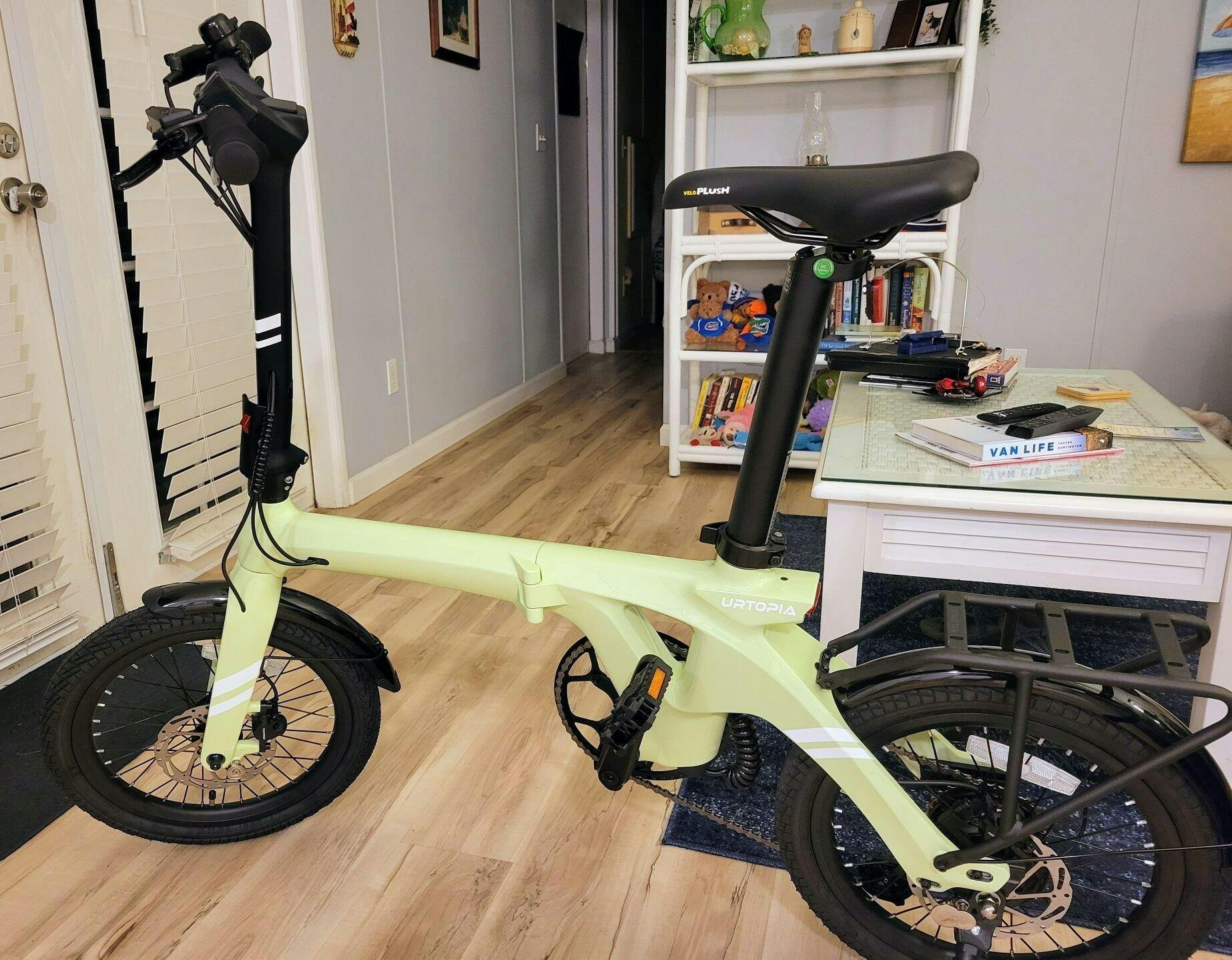
For that kind of light everyday riding, a smaller, nimble bike just works better. Something like the Carbon Fold 1 E-Bike. Full carbon fiber, only 29 lbs, and folds in two steps. Doesn't feel heavy and clunky. Easy to lift, easy to park. Step-through frame means you don't have to swing your leg up high. No awkward moves before you even start pedaling. Folds down in seconds. Throw it in your trunk and drive straight to the flattest, most knee-friendly paths around. With a torque sensor and a 20 mph top speed, you hardly have to think about how hard you're working. Just cruise around town, and your knees won't pay for it later.
Keep a Smooth and Light Pedaling Rhythm
Avoid pushing hard gears at low cadence. Spin light and quick. Think of a manual transmission—low gear runs smooth, doesn't strain the drivetrain. Aim for 75 to 90 RPM with light resistance. That keeps the load off your knee cartilage and puts it on your heart and lungs. Where it belongs.
Adjust Seat Height Properly
The number one reason biking messes with your knees? Saddle height's wrong. When your foot hits the bottom of the pedal stroke, your knee should have a slight bend—about 25 to 30 degrees. Seat too low? Your knee stays bent the whole time. Too much load on the kneecap. Seat too high? Your leg overreaches. Pulls on your hamstring and the back of your knee. Neither one works.
Warm Up Before Riding
Don't just hop on cold. Your legs are stiff. Cold joints are more prone to stiffness and irritation. Take five or ten minutes to warm up first. Do some easy squats, leg swings, or hamstring stretches. Or just ride the first ten minutes with zero resistance. Get that joint fluid moving before you actually push.
Stop If Pain Gets Sharp or Worse
Muscle burn is fine. A sharp pain inside your knee? That's not. Feel that sharp, focused, getting-worse pain while you're pedaling?If the pain becomes sharp or progressively worse, stop riding and give your knee time to recover. A small problem turns into a big injury that way. Ignoring sharp pain can lead to longer recovery times.
FAQ
What is better for your knees, walking or cycling?
Cycling beats walking for bad knees. Why? No impact. Walking's fine, but every step sends a jolt up your leg. Sensitive cartilage doesn't like that. On a bike, your weight's on the saddle. You build muscle, burn calories, and Your knees experience far less impact stress.
Is 30 minutes of cycling enough exercise?
Yes. Half an hour is enough. Ride 30 minutes a day, and you've hit your cardio goal. You burn calories, strengthen your legs, and your knees don't get tired. If you have bad knees, a steady 30 minutes a day helps. And you probably won't hurt yourself. CDC guidance recommends 150 minutes of moderate-intensity activity per week, so five 30-minute rides can fit that target.
What harms the knees the most?
Three things wreck your knees: constant pounding, bad form, and too much weight. Bouncing on hard surfaces, sudden twisting, or deep heavy squatting? That grinds down cartilage fast. Toss in weak leg muscles or a badly set up bike, and you've got a recipe for chronic inflammation and early joint wear.
How long should I cycle for knee pain?
Start with 20 to 30 minutes. Do it three or four days a week. Let your body figure it out. Once your legs feel better and your knees loosen up, ride longer. Just stop if it hurts.
Should I use high or low resistance when cycling with knee pain?
Low resistance. Always. Pair it with a quick, smooth cadence. High resistance forces your muscles and kneecaps to push down hard, which compresses the joint and can make irritation worse. Light resistance lets your legs spin freely. The work shifts to your heart and lungs, and your cartilage stays out of trouble.
Conclusion
Knee pain doesn't mean you have to sit around and do nothing. Biking works. It's safe, it's reliable, and it actually helps. Set your bike up right, spin light and smooth, and don't push past what feels okay. That's how riding turns into something that helps your knees heal.
Worried about long distances or big hills? An e-bike honestly changes the game. On good days, you work. On bad days, the motor does more. Listen to your body. Get the right tool. Then go ride.


