


What Is a City Bike? Guide for Urban Riders
Updated: Author: ErpanOmer
So a city bike. It's basically just a bike you ride in the city. Short stuff, you know, like going to work or the store. It's not about speed or going off-road. It's about being comfortable and not hating your life when you ride. You ever sit in traffic and just want to scream? Or pay twenty bucks to park for an hour? Subway's late again, surprise surprise. A city bike won't fix all of it, but it gives you another option. That's all.
Anyway, this guide goes through what makes these bikes good for city riding. How they stack up against road bikes and mountain bikes and whatever. And how to pick one that actually works for your commute.
Key Features of a City Bike
Comfortable Upright Riding Position
Road bikes have you hunched over, kind of aggressive. A city bike? You sit up straight. Relaxed. The handlebars come back toward you, so your back, neck, and wrists don't hurt as much. Plus you can see better. Way easier to spot cars, people, and street signs when things get busy.
Lightweight Frame for Easy Daily Use
Riding in the city means your bike needs to be nimble but not too hard to handle. Modern city bikes use materials that are strong and relatively light. That helps you speed up from a stoplight or carry your bike up a few steps without struggling. A light frame just makes the ride easier, especially when you're moving through a packed morning commute.
Easy Handling in Crowded City Streets
When you're riding in the city, you need to react fast. And your bike needs to actually go where you point it. City bikes have responsive steering and tires that are stable but not too wide. So the handling is smooth.
Say someone opens a car door right in front of you. Or you need to make a sharp turn in a bike lane. The bike just feels solid. You can predict what it's gonna do. Easy to control.
What Is a City Bike Best Used For?
A city bike is just your bike for everyday stuff. You know, ride it to work, run to the store, go meet your friends somewhere. Or just cruise around the park on a Sunday if you feel like it. It's practical, it's reliable. You take it instead of the car for short trips, and if your daily route is longer or hillier, a commuter ebike can make getting around your neighborhood way easier.
City Bike vs Other Bike Types: What Are the Differences?
Comparison Table
| Bike Type | Weight | Speed | Comfort | Tires | Road Conditions | Best For |
|---|---|---|---|---|---|---|
| City Bike | Medium to Light | Moderate | Very High | Medium & Smooth | Pavement, Flat Streets | Daily Commuting & Errands |
| Road Bike | Very Light | Very Fast | Low (Aggressive) | Skinny & Slick | Smooth Asphalt | Fitness & Long Distance |
| Mountain Bike | Heavy | Slow on Pavement | Moderate | Wide & Knobby | Dirt, Trails & Rocks | Off-Road Adventures |
| Electric City Bike | Light to Medium | Fast & Effortless | Excellent | Puncture-Resistant | Pavement, Hills & Flats | Sweat-Free Commutes |
Comfort and Riding Position
City bikes are more comfortable than road or mountain bikes. No contest. But if you've got a long commute or hills, an e-bike version is worth it. Same easy ride, just with a motor so you don't show up sweating.
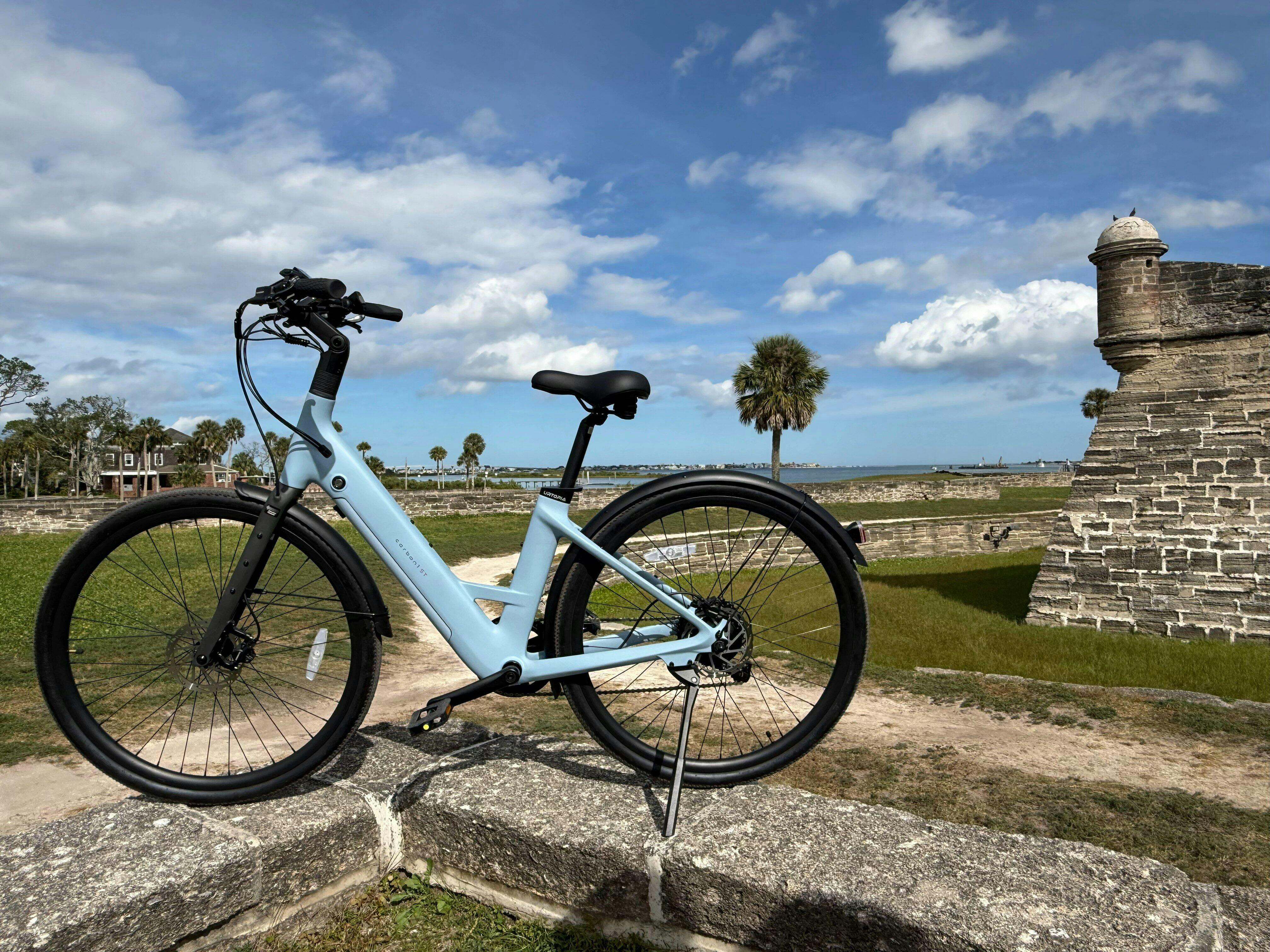
Take the Carbon 1 Step-Thru E-Bike. It keeps that classic step-through frame, so you can hop on and off easily, even in a suit or carrying stuff. But it's also got a 36 lbs lightweight carbon frame, so it doesn't feel heavy and clunky like a lot of e-bikes. With a torque sensor and up to 25 mph top speed, it gives you smooth help when traffic opens up or a hill shows up, instead of making the ride feel jerky. It handles nicely on crowded streets, and just makes city riding less stressful and your daily travel way smoother.
Speed and Riding Effort
A road bike is made for speed. A city bike is about steady, comfortable pacing. You won't set any speed records, but you also won't show up tired and sweaty. It's a good balance for getting around without needing a shower right when you get there.
Road Conditions and Terrain
Mountain bikes are for rough dirt. Road bikes need perfect pavement. City bikes are right in the middle. You can roll over potholes, curb cuts, and different types of bike lanes without feeling every single bump in your wrists, so cruising across town is pretty smooth.
How to Choose the Best City Bike for Urban Riding?
Match the Bike to Your Daily Route
Look at what your daily ride looks like. Flat city like Chicago? A single-speed or a 3-speed hub is fine. But if you're dealing with hills like San Francisco or Seattle, you're gonna want more gears or an e-bike. Trust me, your legs will appreciate it.
Consider Step-Through Access
Step-through frames have a lower top tube. You just step through instead of swinging your leg up high. That's a big help if you wear work clothes or skirts, or if you carry bags or groceries on a rear rack.
Think About Storage and Portability
Where's your bike gonna live when you're not riding it? Got a big suburban garage? A regular full-size city bike works fine. But city living? Space is tight. You're dealing with a small apartment, narrow stairs, tiny elevators, or squeezing onto a crowded train.
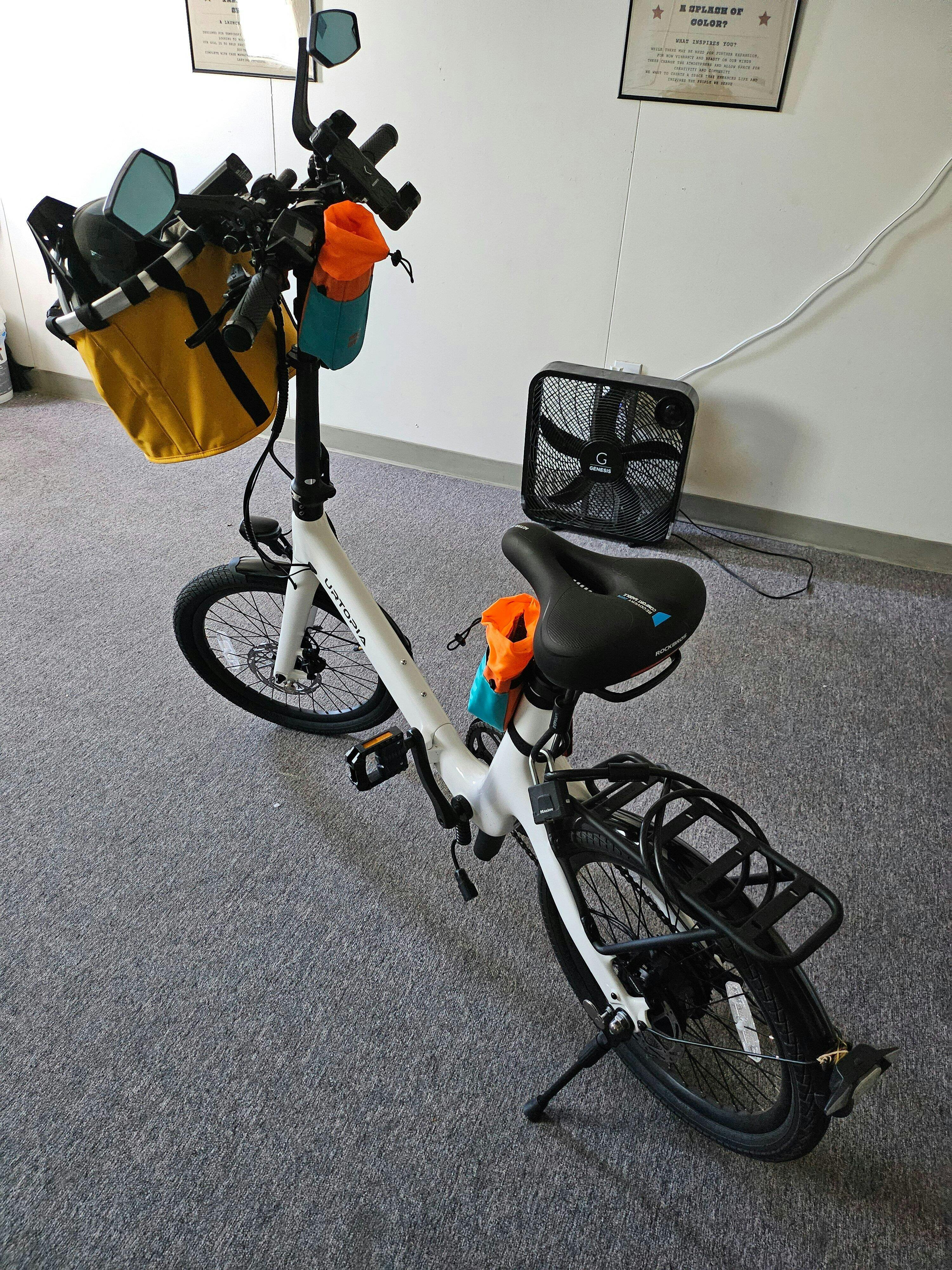
When you're in that situation, a folding bike like the Carbon Fold Step-Thru E-Bike makes way more sense than a bulky standard frame. What's different about this one? It fixes the two things people hate about folding bikes: weight and looks. The carbon fiber frame and fork keep it light at just 31 lbs without accessories, so it is easier to carry up stairs or onto a transit rack. It folds down quickly and is 20% more compact, small enough to fit under your desk, in a closet, or next to you on the subway. A low-step frame means you can get on and off easily no matter what you're wearing. Just a solid mix of portability and convenience for apartment living.
Check Comfort, Brakes, and Riding Support
Just make sure the stuff that keeps you safe and comfortable is solid. Get a saddle that doesn't kill your butt, and brakes that actually work. Disc brakes are nice in the rain — they just stop better. And check that you can put racks or fenders on if you need 'em for everyday riding.
Tips to Maintain a City Bike for Daily Use
Check Tire Pressure Regularly
If your tires are low, you're just working harder than you need to. Plus you're more likely to get a pinch flat. So grab a floor pump and learn how to pump a bike tire the right way. Check your pressure once a week. Keeps things rolling easy and the ride nice and smooth.
Keep the Chain Clean and Lubricated
Chain gets dry and rusty, it's gonna be noisy. And it'll eat through your gears faster too. Just wipe it down with a rag every few weeks, put a few drops of bike lube on there. Keeps things quiet and your pedaling smooth.
Clean the Bike After Wet or Dirty Rides
Rain, mud, road salt in the winter — if you leave that stuff on your bike, it'll cause corrosion. Get stuck in a downpour on your way to work? Just wipe it down with an old towel when you get inside. Helps protect everything.
Inspect Brakes Before Commuting
City riding means sudden stops, so your brakes need to work well. Before you head out, squeeze the levers. They should feel firm. Also check that the brake pads aren't too worn.
FAQ
Are city bikes good for beginners?
Yes, they're actually really good for beginners. You sit up straight, so you can see what's going on and balance isn't a pain. No crazy gears or weird positions that take forever to get used to.
Can a city bike carry groceries or daily items?
Yes, that's literally what they're made for. Most of them come with mounts for front baskets, rear racks, pannier bags or they've already got 'em. Grocery runs? Laptop bag? You're fine.
Is a city bike good for exercise?
Yeah it's fine for cardio. Still a commuter bike, not a workout machine. But you pedal around town, you're gonna burn calories. Legs get worked. Heart rate goes up. Doesn't feel like the gym though. That's kind of the point.
Can you ride a city bike in the rain?
Yes, rain's fine. City bikes usually come with fenders, keeps the dirty water off your clothes. Just slow down a bit when you turn.
How long does a city bike usually last?
Keep up with it and a city bike will last you years. Decades even. Don't leave it out in the weather, lube the chain every so often, change the tires and pads when they're done. The frame and all the main parts? Those are gonna be around for a long time.
Conclusion
A city bike just makes life in the city easier. Healthier too. And honestly, more fun. You sit up straight, it’s comfortable, and it handles nicely on busy streets. Throw a rack or a basket on there to carry your stuff—it's a solid way to get through the daily grind.
You can go with a classic traditional frame or upgrade to electric if you want help with traffic and hills. Either way, biking to work is a good call.
Whether you’re commuting to work, running errands, or replacing short car trips, a good city bike can completely change how you move through the city. The key is choosing one that fits your route, your space, and your daily routine.


