


How to Remove Speed Limiter on Electric Bike Legally?
Updated: Author: ErpanOmer
Electric bikes have changed the way Americans commute and explore. They give you a great mix of pedal power and motor help. Whether you are riding the hills of San Francisco or cruising a boardwalk in Southern California, e-bikes make getting around easy and fun. But a lot of riders eventually want a little more punch on open roads. That leads to a common question: how do you unlock that extra power without breaking the law?
This guide covers why speed limits exist, what to think about before you make any changes, and a practical step by step way to safely optimize your ride. We will also look at how changing your bike's performance affects the mechanics and safety, so you can decide if a faster ride actually fits your daily needs.
Why Electric Bikes Have Speed Limiters?
Before you start messing with the tech, you need to understand why manufacturers put those speed limits on in the first place. Speed limiters are built in electronic boundaries. They keep the bike legal, save battery life, and protect the motor from damage.
Without those caps, high voltage e bike motors could push you to speeds that blur the line between a bicycle and a moped or motorcycle. So manufacturers add a governor. That way you can ride their bikes on bike paths, through neighborhoods, and on public roads without needing a driver's license, special registration, or expensive insurance. If you're unsure do you need a license for an electric bike, the answer usually depends on your e-bike class and local rules.
What to Know Before Removing an Electric Bike Speed Limiter
Changing your e bike's top speed is not just a quick mechanical fix. It changes how your bike works with the law and with its own parts. Before you grab your tools, think about how fast an electric bike can go under local rules, and the physical stress that higher speed will put on your equipment.
Check Local Laws and E-Bike Classes
In the US, e bikes follow three classes. That is what decides where you can ride. Class 1 and 2 cut out at 20 mph. Class 3 goes to 28 mph. Remove the speed limiter and your bike changes class. Suddenly you might be banned from bike lanes, state parks, and trails. Look up your local laws first. Fines and having your bike impounded are real possibilities.
Consider Battery, Motor, and Brake Risks
Push your e bike past its factory limits, and you put real stress on the components. The motor runs hotter. That can melt nylon gears inside. The battery drains faster, which shortens its life. And here is the big one. Factory brakes are built to stop the bike at its original top speed. Ride faster all the time, and your stopping distance gets longer. That puts serious heat and wear on your brake pads and rotors when you need to stop quick.
How to Remove Speed Limiter on an Electric Bike Step by Step
You weighed the risks and still want to do it? The process depends on your bike. Here is how to identify your system and make the changes correctly. Step by step.
Check Your E-Bike Speed Limiter Type
First thing is figuring out if your e bike has a software limiter or a hardware setup. Software limiters live in the bike's firmware. You can usually adjust them through the display panel or a phone app. Hardware limiters use physical parts, like a magnet sensor near the rear wheel or a wire going into the controller box.
How to Remove a Software Speed Limiter
For modern, tech-forward electric bikes, adjusting the top speed is often as simple as accessing a hidden settings menu. On many standard displays, holding down a specific combination of buttons (such as the plus and minus keys simultaneously) will grant access to the advanced settings backend, where you can manually adjust the wheel size parameter or raise the top speed threshold.
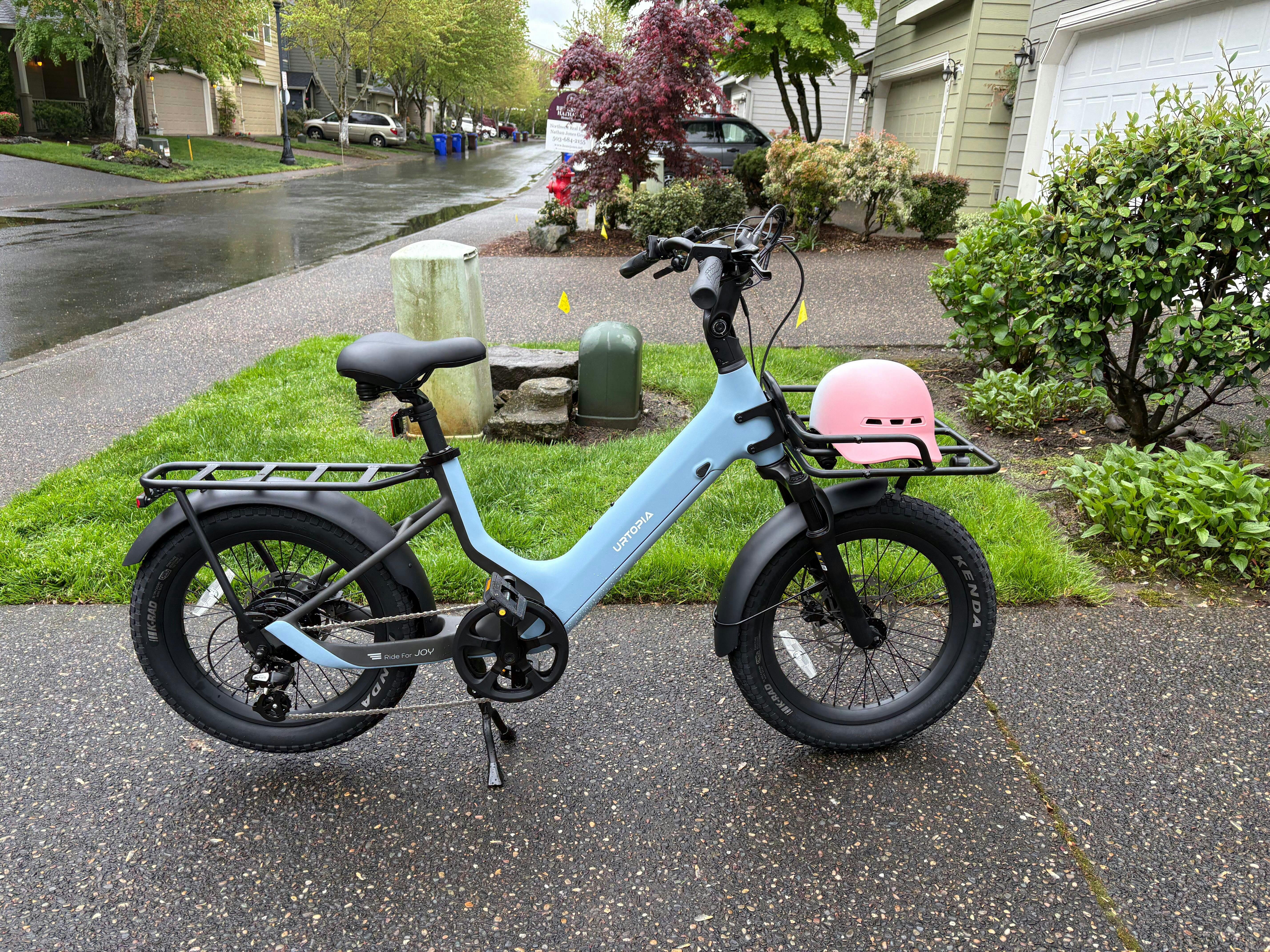
On some e-bikes, increasing the speed limit does not require physical changes to the controller or speed sensor. The Urtopia Joy Carbon E-Bike, for example, supports software-based unlocking, with a default speed of 20 mph and a top speed of up to 25 mph after unlocking. Built with an ultra-lightweight carbon fiber frame and rugged fat tires, it offers the ultimate premium riding experience for both city commuting and off-road exploring. Some newer e-bikes simplify speed customization through built-in software settings instead of requiring hardware modifications. Models like the Urtopia Joy Carbon Fat Tire E-Bike are designed with app-based performance adjustments, making the process more user-friendly for experienced riders.
How to Remove a Hardware Speed Limiter
If your bike uses physical restrictions, you need to find the speed sensor or the controller box. For sensor based systems, riders often unscrew the magnet from the wheel spoke and move it to the pedal crank arm. Then you shift the sensor to face the new magnet path. That tricks the computer into thinking the wheel is spinning slower than it really is.
Certain entry-level e-bikes may use controller-based speed restrictions, though modifying controller wiring can void warranties and create electrical safety risks.
Test the E-Bike After Removing the Speed Limiter
After you finish the modification, do not jump straight into your daily commute. Not yet. Find an empty parking lot or a quiet side street first. Test the acceleration and how the bike responds. Speed up slowly. Listen for weird noises or signs of overheating from the motor. Squeeze the brakes early to get a feel for stopping under the new setup.
What Happens After Removing the Speed Limiter?
Unlocking your motor changes how your e bike rides. You get a fun performance boost, but there are real trade offs. Knowing what shifts will help you ride smarter and keep your bike running longer.
Changes in Speed and Battery Range
The first thing you will notice is a thrilling jump in speed on flat roads. But your range will take a hit. Going over 20 mph takes way more energy to fight wind resistance. That drains your battery fast. A battery that used to give you 40 miles might only give you 25 or 30 after you remove the limiter. You will be charging a lot more often.
Increased Stress on the Motor and Brakes
Running your e bike at top speed all the time makes the motor run hotter. That wears out the internal parts faster. Bearings, nylon gears, and circuits all get pushed to their heat limits. Eventually something gives. Your brake pads also wear down quicker because they have to stop more energy. You will need to check and replace them a lot more often.
Changes to Riding Safety and Handling
At higher speeds, an e bike handles completely differently. Even on the lightest electric bike, you need quicker reflexes and a firmer grip on the bars. Little road problems like potholes, loose gravel, or cracks that felt fine at 15 mph can make you lose control at 25 mph or more. The bike's frame might also feel less stable, making fast turns much harder for the rider.
Are Faster Electric Bikes Always Better?
Going fast on an e bike sounds fun. But faster is not always better for everyone. For casual rides around the neighborhood, running errands, or navigating busy city streets, the standard 20 mph limit gives you plenty of speed. And you stay completely legal. A balanced, factory optimized ride gives you maximum safety, predictable battery life, and peace of mind every day. The best e bike is the one that feels smooth, dependable, and worry free every time you ride.
FAQ
Can all electric bikes be unlocked to go faster?
No, not all of them. Many mid range and premium models have adaptable software or accessible speed sensors. But some budget bikes or highly integrated proprietary systems use locked controllers. You cannot modify those without replacing the whole electrical system.
Can an e-bike shop remove the speed limiter for me?
Most pro shops will say no. Liability and insurance are huge concerns. Changing the factory speed settings strips away certified safety ratings. If an accident happens, the shop could face massive legal consequences. So you are probably on your own for any modifications.
Does removing the speed limiter make the e-bike faster uphill?
Generally no. Speed limiters restrict top speed on flat ground. Uphill performance comes from the motor's torque and wattage. Unless you upgrade the controller to pull more current, your climbing power stays the same.
What should I check before buying an e-bike if I care about speed?
Look for a factory certified Class 3 e bike with a high torque motor. That is your best bet. A bike built to safely ride at 28 mph comes with upgraded brakes, a reinforced frame, and a robust battery system. All legal and optimized for higher speed right out of the box.
Conclusion
Unlocking your e bike's speed limiter can turn a boring commute into a fun ride. But you need a good balance of mechanical know how and legal awareness. Figure out your bike's setup, whether it is a simple software tweak or a physical adjustment. Then you can explore its full potential while staying safe and keeping the bike running for years. Always ride responsibly, wear your gear, and enjoy the open road.


